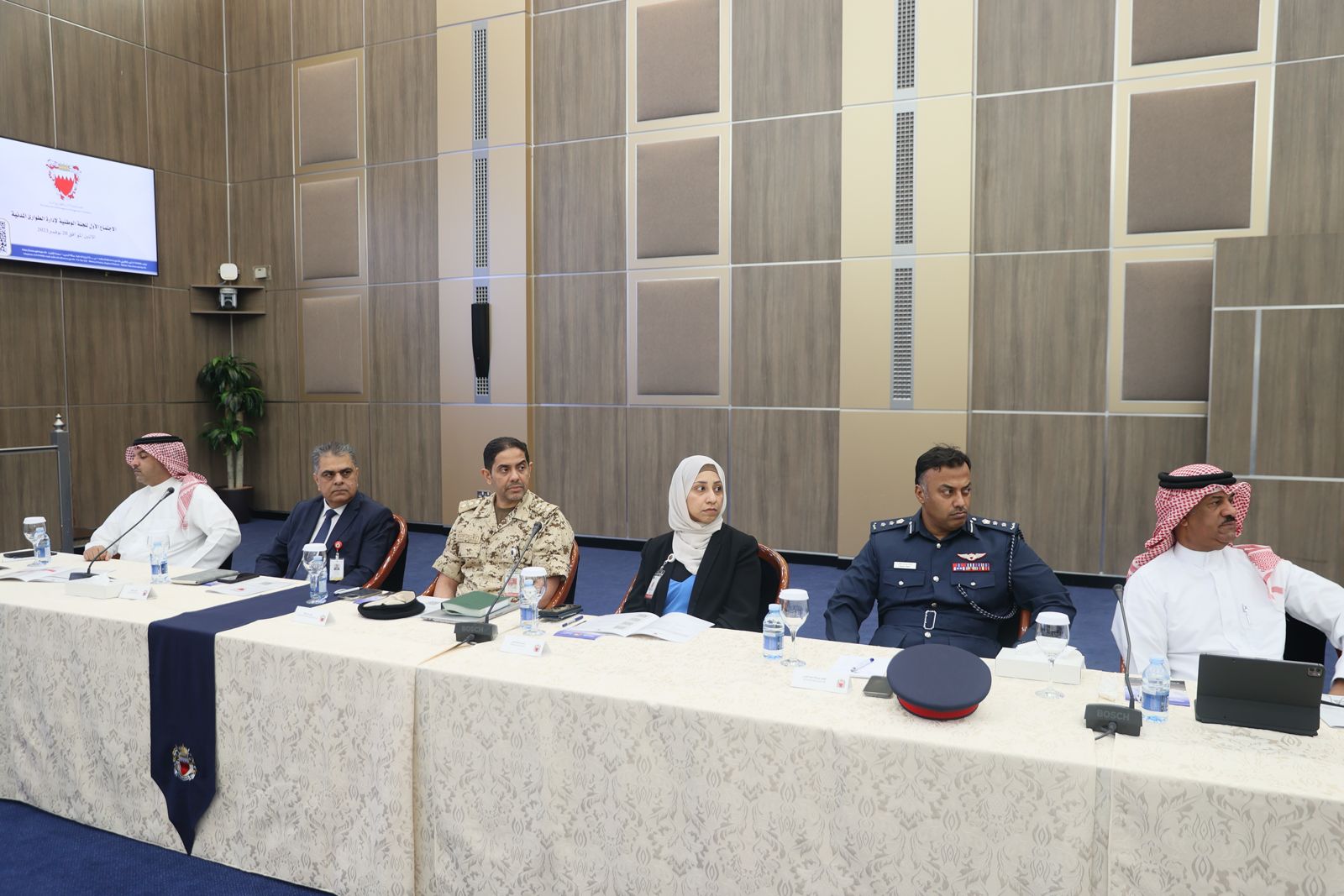
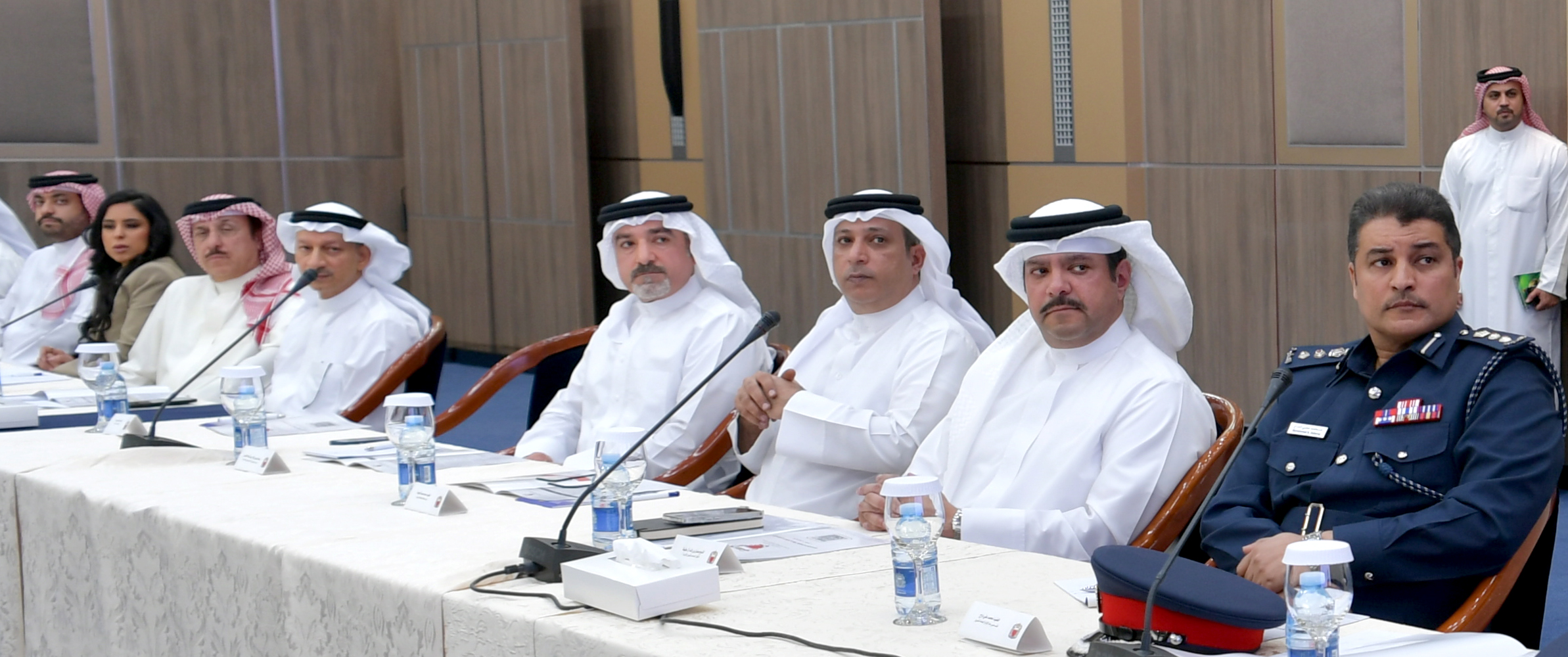
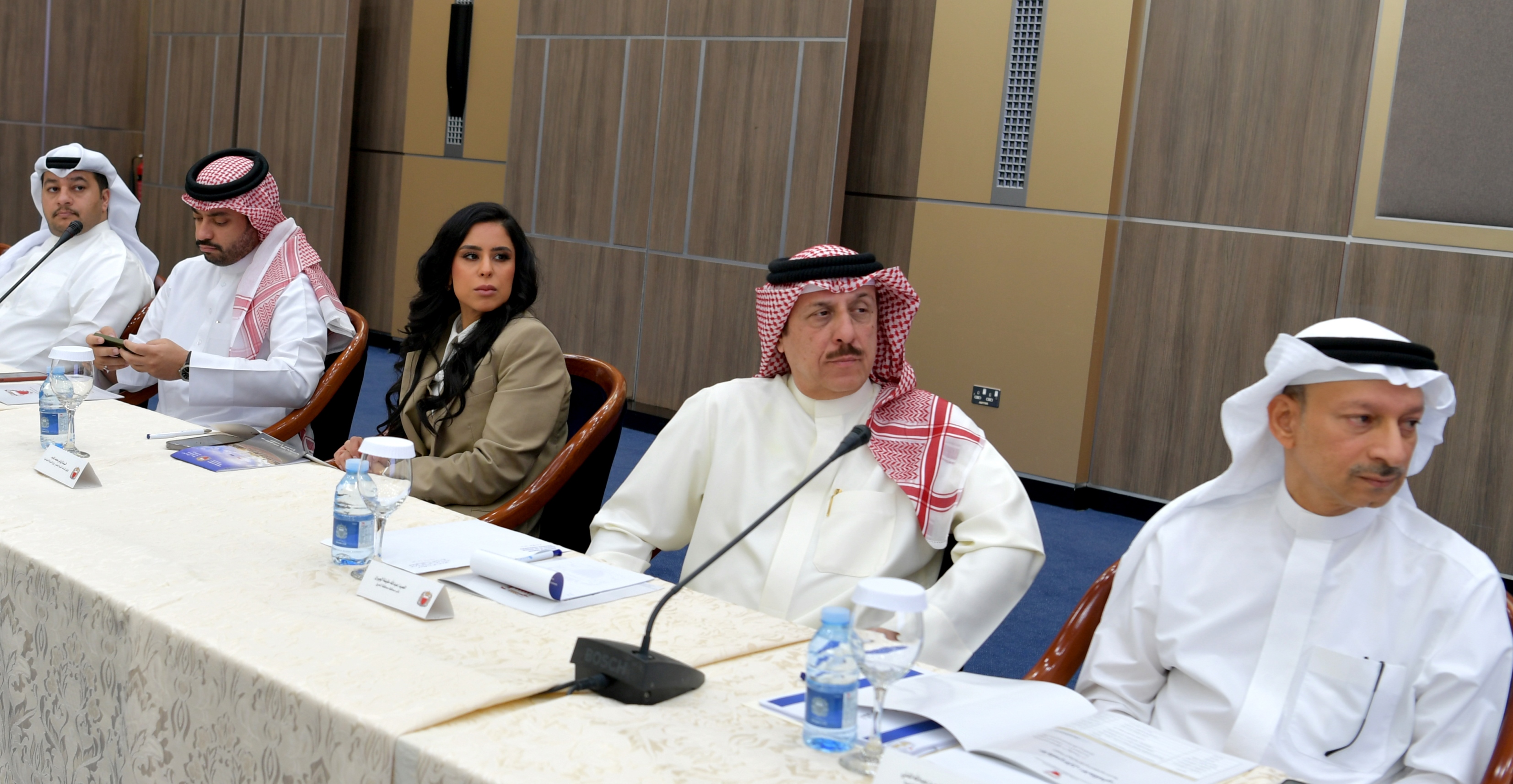
Chief of Public Security, Lt-General Tariq Al Hassan, chaired the first meeting of the Civil Emergency Management Committee with the participation of the representatives of the concerned ministries.
He hailed the instructions of His Excellency Interior Minister General Shaikh Rashid bin Abdullah Al Khalifa to reinforce the civil protection prevention measures and be ready to deal with potential risks, along with his dedication to creating an aware society through the National Civil Protection Platform that is considered as a national general safety reinforcing project.
The Chief noted that Bahrain works to build capabilities, including creating a roadmap for emergency and disaster management in cooperation with concerned international organisations and authorities to meet Bahrain's vision based on sustainable development goals through the adoption of objectives to limit disasters per a national emergency strategy.
The Chief asserted the significance of cooperation and coordination between concerned authorities to reinforce communication protocols and develop response capabilities and emergency response. In addition to raising the general readiness, efficiency, capacity, and planning administratively and on the ground, it is necessary to deal with risks of all kinds to protect lives and property and enhance public safety. He thanked and appreciated all parties for their efforts to achieve the concept of flexibility and sustainability.
During the meeting, the meeting reviewed the committee’s internal regulations and a summary of the National Civil Emergency Strategy, which outlines the Kingdom’s strategies for responding to crises and disasters and the mechanism for preparing the National Risk Register. The mechanism used to update the Kingdom of Bahrain’s National Strategy for Disaster Risk Reduction was also discussed to ensure its compatibility regularly.
The meeting included a discussion of the mechanism for risk analysis and management according to the United Nations workbooks in the areas of risk and disaster management and analysis before, during and after a disaster or emergency, through prevention and mitigation measures leading to response and recovery, in addition to the elements of governance, monitoring progress achieved, exercises and training.


_9.JPG)
_6.JPG)