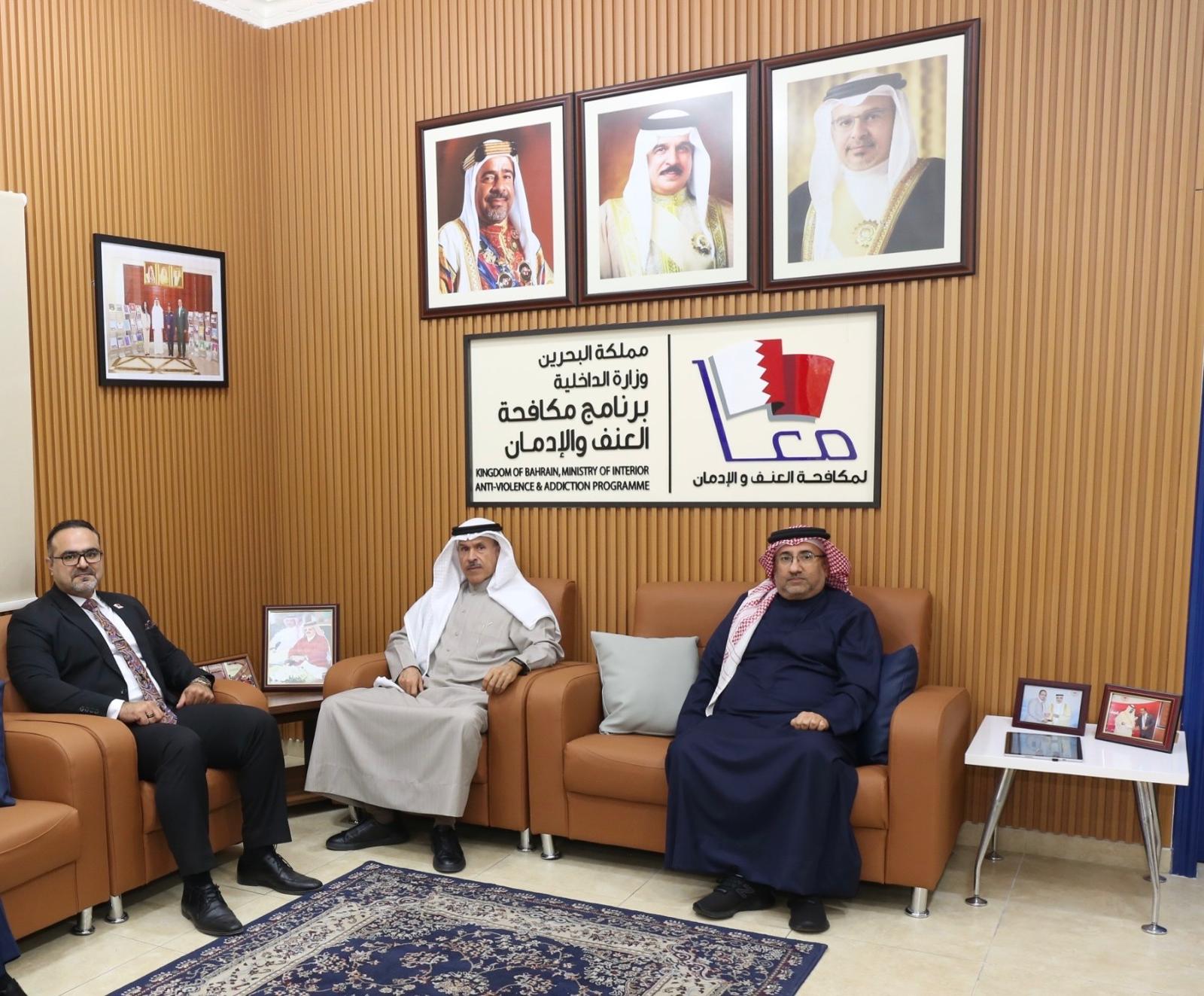
The Undersecretary for Nationality, Passports and Residence Affairs (NPRA) Shaikh Hisham bin Abdulrahman Al Khalifa, Chairman of Maan (together) programme against violence and addiction Programme, visited the Maan Centre for Research and Training to mark the programme’s 15th anniversary.
During the visit, the NPRA Undersecretary congratulated the programme’s team on this milestone, commending the programme's achievements as one of the initiatives of the National Plan to Promote the Spirit of Belonging to the Nation and Reinforce the Values of Nationalism (Bahrainuna). He highlighted its distinguished role in preventing violence and addiction, as well as in strengthening community partnerships.
He noted that the achievements realised over the past 15 years reflect the strategic vision of His Excellency Interior Minister General Shaikh Rashid bin Abdullah Al Khalifa in enhancing community security and building a conscious generation resilient to negative behaviours through well-designed educational programmes based on a clear scientific and institutional methodology.
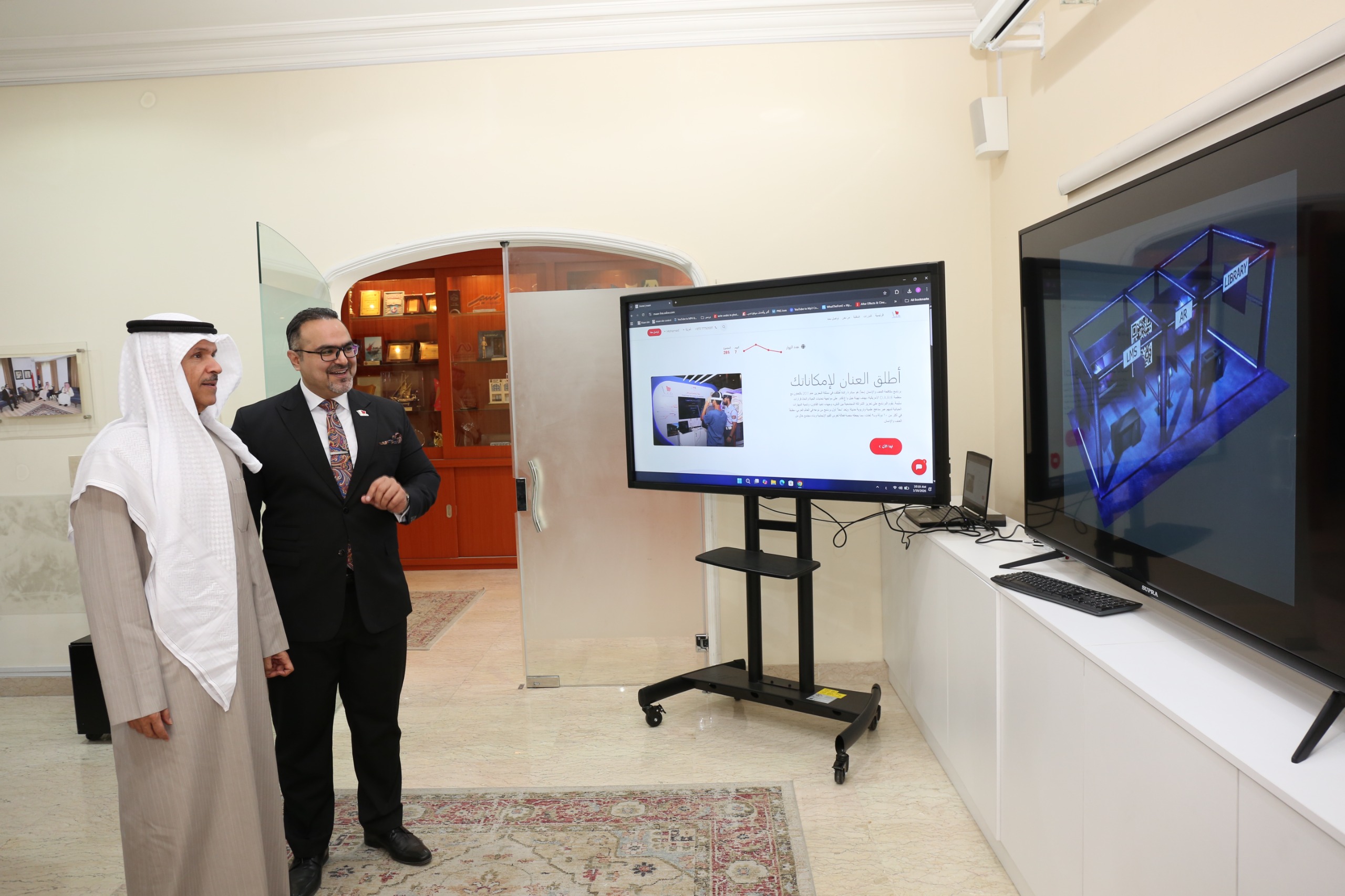
During the tour, the NPRA Undersecretary reviewed a comprehensive presentation on the programme’s outcomes since its inception and the qualitative development of its preventive curricula and awareness content targeting students across various educational stages. The Director of the Crime Prevention and the Director of the Maan Programme, Ali Ahmed Ameeni, presented the results of studies and field follow-ups, showing increased awareness among students and beneficiaries, alongside a noticeable decline in certain negative behaviours. He underscored the effectiveness of the programme’s methodologies and supported expanding its implementation in schools and community institutions.
The presentation also highlighted the pivotal role of community policing in schools through direct engagement with students and the delivery of awareness curricula in an interactive manner aligned with youth culture, including cyber security topics and other issues affecting students’ daily lives, within the framework of integrated cooperation between the programme and relevant entities and supported by specialised training outputs.
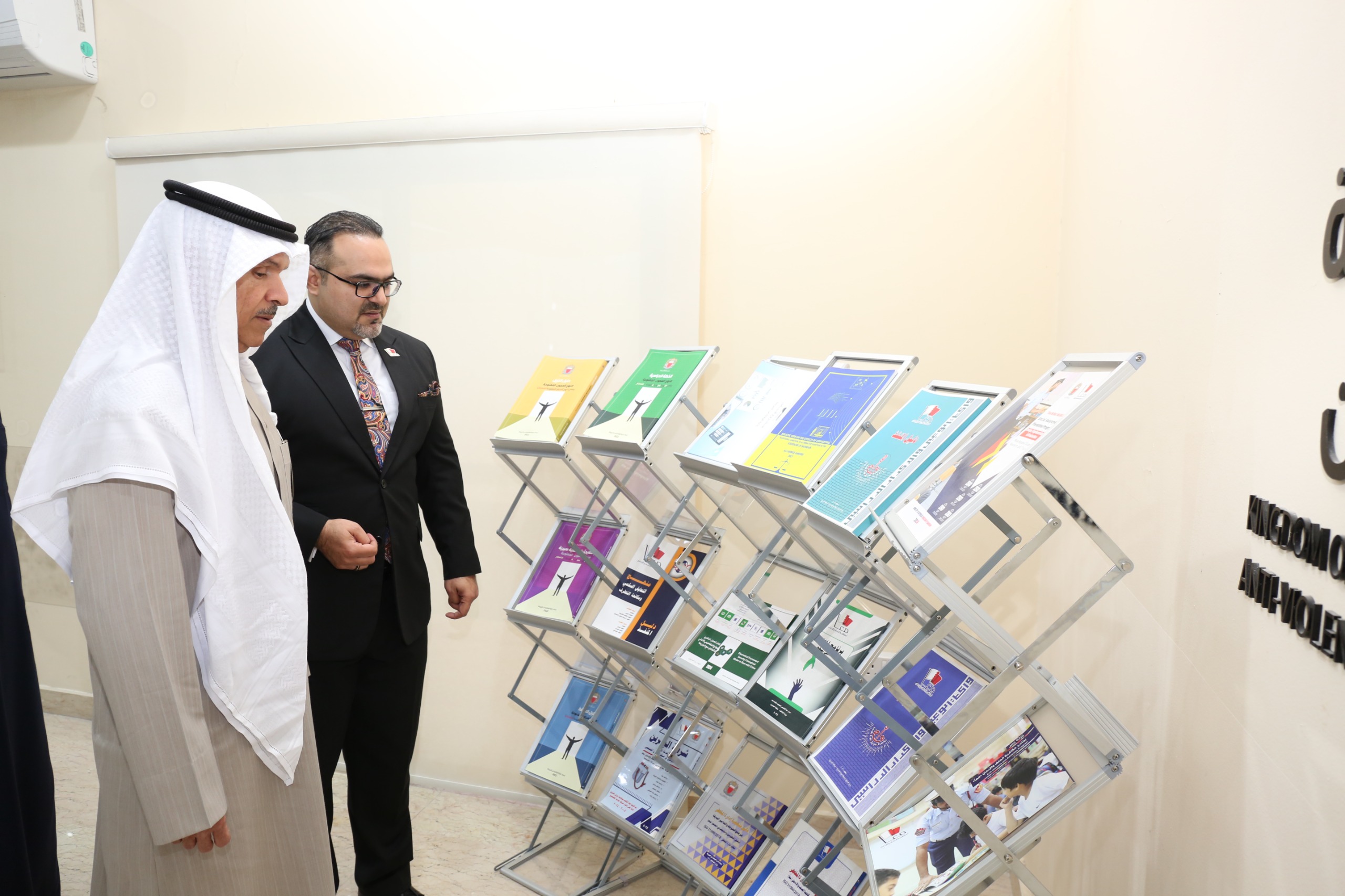
The NPRA Undersecretary further reviewed the research and academic efforts of the the centre, including its partnerships with local and international universities and organisations, notably cooperation with the University of North Carolina and the D.A.R.E organisation. Research outcomes related to promoting community security through peaceful coexistence and countering extremism demonstrated positive indicators of student empowerment to practise values of tolerance, dialogue, and rejection of violence, as measured through documented scientific tools and pre- and post-assessment surveys.
Concluding his visit, the NPRA Undersecretary affirmed that the achievements of the past 15 years represent a launch point for a new phase of development. He highlighted the importance of aligning programme curricula with societal and technological changes, expanding programme implementation and exhibition content, strengthening cooperation with universities and research centres, and developing programmes to sustain the programme’s impact in building a responsible and aware generation and reinforcing community security.